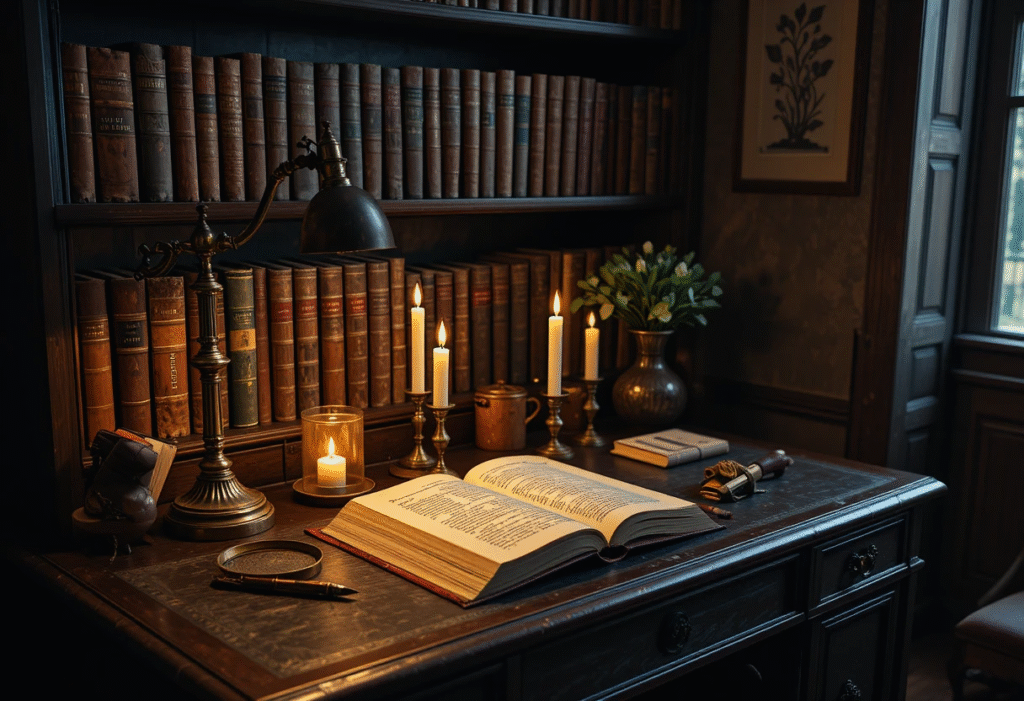

The Dark Academia aesthetic is more than just a passing trend; it is a celebration of intellectualism, classic literature, and the timeless romance of learning. It transforms a functional workspace into a contemplative, moody, and deeply inspiring sanctuary. A well-designed Dark Academia Office Setup encourages deep focus, reverence for history, and an escape from modern digital noise.
This ultimate guide will take you through every layer of this aesthetic—from architectural bones and color palettes to the curated details of your desk ensuring your office is a perfect blend of high style and profound scholarly function.
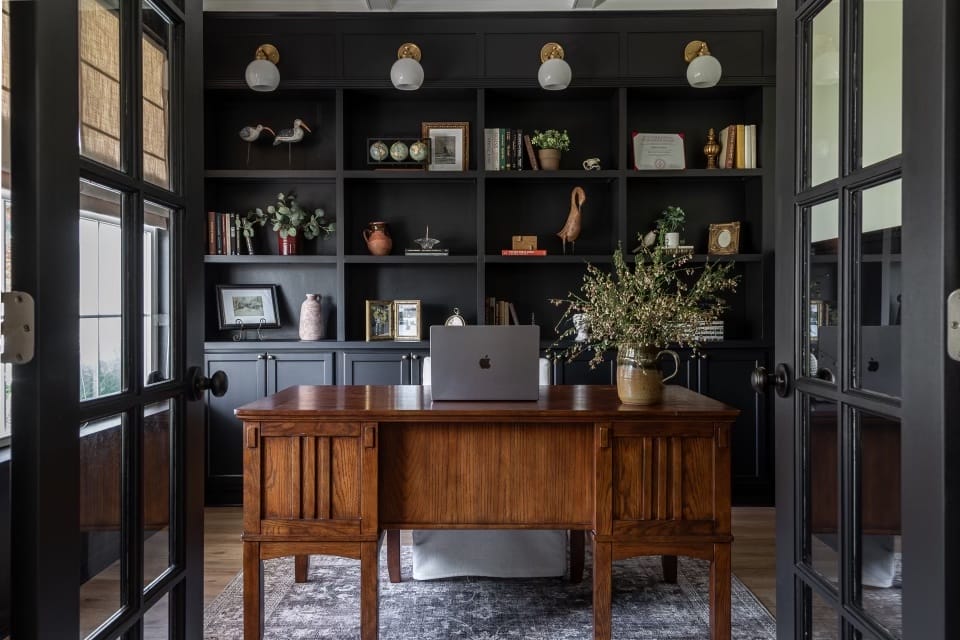
The Philosophical Core – Aesthetics and Architecture
The Dark Academia aesthetic is built on a foundation of specific colors, textures, and historical references. Before purchasing any furniture, you must define the mood and environment.
1. Mastering the Palette: Colors of Contemplation
The Dark Academia Office Setup relies on rich, deep, and muted tones that evoke libraries, antique studies, and autumn campuses.
The Dominant Hues
-
Deep Greens: Think forest green, moss, and emerald. Use these for walls, large rugs, or deep velvet seating. Green provides a calming, concentrated environment ideal for long study sessions.
-
Oxblood and Burgundy: Reserved for accents, such as leather desk chairs, book spines, or heavy curtains. These colors inject passion and historical weight.
-
Muted Neutrals: Cream, taupe, or aged ivory should be used sparingly for paper, lamp shades, or the ceiling. They prevent the space from becoming too cave-like, offering necessary visual rest.
-
The Wood Tones: Mahogany, walnut, and dark cherry are non-negotiable. These woods must be dominant—on the desk, shelves, and trim—to establish the historical gravitas of the aesthetic.
Textural Layers: Velvet, Tweed, and Leather
The aesthetic thrives on texture to create a sense of depth and luxury.
-
Leather: Essential for the desk surface (a blotter), the chair, and potentially a club chair. Aged, distressed leather is preferred over shiny, new finishes.
-
Velvet: Use deep-toned velvet for curtains, pillows, or an upholstered bench. Velvet absorbs light, enhancing the moody ambiance.
-
Natural Fibers: Integrate tweed, wool, and heavy linen through blankets, rugs, and curtain linings. These natural materials contribute to the rustic, authentic scholarly atmosphere.
2. Architectural Hacks (Faking the Old-World Charm)
Most modern offices lack the inherent structure of a 19th-century library. These hacks create the illusion of history.
Molding and Wainscoting
-
The Illusion of Paneling: If you cannot install full-height wood paneling, install simple wainscoting or decorative molding strips at hip height. Paint the area below the molding a deep, dark color (like forest green) and the area above a slightly lighter tone. This instantly adds architectural depth and historical flair.
-
Ceiling Medallions: For a quick, high-impact hack, install a lightweight, decorative ceiling medallion around the main light fixture. This classic architectural element costs little but adds significant old-world charm, directly supporting your Dark Academia Office Setup goals.
The Window Dressing Hack
-
Heavy Curtains are Essential: Ditch blinds. Use floor-length curtains in heavy fabrics like velvet or wool. Hang them high and wide, slightly obscuring the windows during the day to filter light and enhance the moody atmosphere. This is crucial for creating the perfect cinematic light.
The Workspace Core – Desk and Seating Essentials
The desk is the altar of the Dark Academia setup. It must be robust, inspiring, and optimized for both analog and digital scholarship.
3. The Desk: The Altar of Learning
The desk itself should be the largest, most commanding piece of furniture in the room. This answers the need for vintage office furniture inspiration.
Desk Material and Style
-
Material: Opt for solid wood—a heavy oak, mahogany, or walnut finish. Avoid glass or light-toned woods. The desk must convey permanence and history.
-
Style: Choose a classic style: a large pedestal desk (with drawers on either side), a vintage partners desk (even for a single user), or a substantial writing table. The top surface must be large enough to accommodate an open book, a laptop, and a dedicated writing area simultaneously.
4. Seating: Comfort Meets Authority
Seating must prioritize ergonomics for long hours of reading or writing, while adhering to the antique aesthetic.
The Scholarly Chair
-
The Desk Chair: The ideal choice is a vintage-style executive chair upholstered in rich, dark leather (oxblood or dark brown). Crucially, the chair must be ergonomic—look for modern office chairs that imitate the vintage look but offer necessary lumbar support, height adjustment, and smooth casters.
-
The Club Chair (The Contemplation Zone): If space allows, include a secondary seating area—a deep, tufted leather or velvet club chair with an ottoman, paired with a floor lamp. This zone is dedicated to analog reading, reflection, and journaling, separating the contemplative task from the digital work done at the desk.
5. Dark Academia Desk Essentials (The Curated Surface)
The desk surface should be deliberately cluttered with items that inspire and function, avoiding the minimalism of other aesthetics.
-
The Leather Blotter: Essential for protecting the wood surface and providing a smooth, aesthetic writing area. Choose a dark green or burgundy blotter.
-
Writing Instruments: Display a collection of fine pens, a vintage-style inkwell, a brass pen holder, and quality paper/notebooks. Even if you use a keyboard primarily, the presence of these analog tools is key.
-
Lighting (Task Focus): A classic banker’s lamp with a green glass shade is the iconic choice. Place it strategically to illuminate the primary work area without casting harsh light on the entire room. Supplement with a dimmer, taller desk lamp if needed.
-
Analog Tools: Display functional antiques like a brass desk clock, an aged celestial globe, a decorative magnifying glass, or a marble paperweight. These items underscore the scholarly theme.
The Library Vibe – Storage and Display
The soul of any Dark Academia Office Setup is the library—the collection of books and curated artifacts that represent the occupant’s intellectual pursuits.
6. Bookshelves: Displaying the Intellectual Heart
Shelving should feel full, floor-to-ceiling, and slightly chaotic, reflecting a life lived among ideas.
H3: Style and Staging Hacks
-
Material: Opt for heavy, closed-back wooden shelves (mahogany or espresso finish). Avoid modern metal or open, modular units.
-
Layering (The Cluttered Scholar Look): The secret to the Dark Academia shelf is that books shouldn’t stand in neat rows. Stack some vertically, others horizontally (using the horizontal stacks as platforms for artifacts).
-
Artifact Integration: Break up the books with small busts (e.g., of Greek philosophers), framed botanical prints, antique boxes, wax seals, or small geological samples. This tells the story of an inquisitive, well-traveled mind.
7. Curated Display: Art and Ephemera
Walls and surfaces should feel rich with references to history, nature, and the sciences.
-
Framed Prints: Choose framed illustrations of anatomical diagrams, celestial maps, old-world landscapes, or antique botanical illustrations. Use dark, heavy wooden frames (no white mats).
-
The Shadow Box Collection: Use simple shadow boxes or dome cloches to display small, curious collections—dried flowers, antique keys, geological fragments, or old coins. This is essential for creating the cabinet of curiosity feel.
Budget and Modern Integration Hacks (Future Content)
This section will focus on making the aesthetic achievable and functional in the 21st century. (Approx. 1000 words)
8. Budget Dark Academia Home Office Strategies
-
H2: Thrifting and Upcycling for the Vintage Look
-
H3: The Power of Paint: Transforming Modern Shelves with Dark Finishes
-
H3: DIY Gold Patina: Aging Hardware and Frames
-
9. Seamless Tech Integration (Hiding the Modern)
-
H2: Hiding Wires and Modern Screens
-
H3: Monitors and Digital Displays: Using Frames and Screensavers
-
H3: Keyboard and Mouse Selection: Choosing Vintage-Look Accessories (e.g., retro typewriters)
-
The Finishing Touches and Sensory Experience
This section will cover the sensory details that complete the immersive experience, as well as the advanced planning required for a true scholarly retreat. (Approx. 1500 words)
10. The Sensory Experience (Sound and Scent)
-
H2: The Library Scent Hack: Candles and Diffusers
-
H3: Curating the Ambiance: Music and Background Noise
-
11. Creating the Perfect How to Design a Dark Academic Study (Psychological Hacks)
-
Lighting Layering: Task, Ambient, and Accent Lights
-
The Importance of an Analog Journal and Writing Nook
-

Budget and Modern Integration Hacks
A common misconception is that a true Dark Academia Office Setup requires inheriting antique furniture or having an unlimited budget. In reality, the aesthetic is highly achievable through clever thrifting, upcycling, and strategic hiding of modern necessities. This section details the necessary hacks for creating a beautiful, functional, and affordable scholarly space.
8. Budget Dark Academia Home Office Strategies (Thrifting Gold)
The key to an authentic look without the antique price tag is prioritizing texture and deep color over pristine condition. Imperfection adds to the aesthetic.
Thrifting and Upcycling for the Vintage Look
-
The Bookshelf Hack: Ignore modern metal or plastic shelving. Focus your search on second-hand stores for tall, basic wood veneer bookcases. Even if the finish is dated (e.g., light pine or oak), they can be completely transformed with paint.
-
The Chair Restoration: Find an inexpensive, sturdy wooden office chair or dining chair with a high back. Sand it down and paint it matte black or deep espresso. Replace the seat cushion with a piece of dark tweed or velvet fabric. This delivers a custom, academic look for minimal cost.
-
Hardware Transformation: Hardware is the jewelry of the furniture. Replace cheap, shiny silver or brass knobs and pulls on desks and drawers with intricate antique-look handles. A quick hack is to buy new hardware and age it instantly by using a chemical patina solution or simply darkening it with a black matte spray paint, then lightly sanding the edges for a distressed look.
The Power of Paint: Transforming Modern Shelves with Dark Finishes
Paint is the single most powerful tool for achieving the moody Dark Academia aesthetic on a budget.
-
Darkening the Woods: If you own a piece of furniture that is too light (like an IKEA piece or a generic light oak desk), use a dark walnut or mahogany stain rather than simple paint. Gel stains are particularly effective for transforming slicker surfaces without heavy sanding, giving you the deep, rich wood tone essential for the aesthetic.
-
Creating Built-Ins: To make standard bookshelves look like integrated, expensive built-ins, line the shelves up against the wall and install simple flat trim pieces around the top, bottom, and between the units to visually tie them together. Paint the entire grouping, trim included, the same deep, dark color as the wall behind it (e.g., black-green or deep navy). This optical illusion is a primary Dark Academia office setup secret.
9. Seamless Tech Integration (Hiding the Modern World)
While the aesthetic reveres analog tools, a scholar’s sanctuary must function in the modern world. The trick is to hide the digital elements when not in use.
Monitors and Digital Displays: Camouflaging the Screen
-
Frame the Monitor: Use a sleek, thin-bezel monitor and mount it against the wall. When not in use, set a screen saver to display a classic piece of art (like a Renaissance painting or an antique map). This makes the monitor look like a framed piece of art rather than a black void.
-
The Drawer Hack: If your desk is a large writing table, consider placing the laptop on a slide-out drawer or shelf beneath the tabletop. When working, pull it out; when done, slide it away to reveal the leather blotter and analog tools, returning the desk to its scholarly appearance.
-
Choosing Vintage-Look Accessories: Opt for keyboards and mice in colors that match the aesthetic—deep gray, matte black, or brushed bronze. Look for mechanical keyboards that evoke the feel of a vintage typewriter for a tactile, atmospheric experience.
Cable Management: The Anti-Modern Hack
Nothing breaks the antique illusion faster than a tangle of bright white cables.
-
Color-Matched Sleeves: Bundle all visible cables (monitor, lamp, surge protector) and wrap them in color-matched cable sleeves (black, brown, or dark gray).
-
Cable Trays and Clips: As detailed in the previous article, utilize adhesive cable clips and under-desk trays to route power strips and wires away from the floor and walls, ensuring they disappear into the shadows.
The Finishing Touches and Sensory Experience
The final 10% of the effort creates 90% of the immersive experience. The true feeling of a Dark Academic Study relies on sensory details—how the room smells, sounds, and feels to the touch. These are the advanced hacks for creating a truly complete scholar’s sanctuary.
10. The Sensory Experience (Sound and Scent)
A well-designed office engages all five senses, deepening the feeling of immersion and focus.
The Library Scent Hack: Candles and Diffusers
Scent is powerfully tied to memory and focus. The ideal Dark Academia office should smell of old books, woodsmoke, and a hint of the outdoors.
-
Signature Scents: Look for soy candles or essential oil diffusers with notes of sandalwood, leather, cedar, mahogany, tobacco, or patchouli. Avoid overly sweet or floral scents.
-
Safety Note: Use electric or battery-operated candles if real flame is a concern. A safe, high-quality essential oil diffuser can be programmed to release the scholarly scent at set intervals.
-
Paper and Ink: Believe it or not, the smell of quality paper and ink contributes to the ambiance. Use cotton-rag paper notebooks and display a bottle of classic India ink.
Curating the Ambiance: Music and Background Noise
The wrong auditory environment can shatter the mood.
-
The Soundtrack: Invest in a small, discreet Bluetooth speaker (perhaps one disguised in a vintage radio shell). Use it to play instrumental classical music (Bach, Chopin, Debussy), jazz, or lo-fi study mixes that often incorporate the gentle sounds of rain or crackling fireplaces.
-
The Analog Sound: For true immersion, purchase a small, inexpensive record player. The physical act of turning the record and the warm, slightly imperfect sound adds texture to the environment and is a quintessential Dark Academia Office Setup detail.
11. Creating the Perfect How to Design a Dark Academic Study (Psychological Hacks)

The final design step is ensuring the setup supports the psychological demands of deep, sustained concentration.
Lighting Layering: Task, Ambient, and Accent Lights
Light must be layered to control the mood and provide necessary function, avoiding harsh, flat overhead lighting.
-
Task Lighting: The direct, focused light from the banker’s lamp or an adjustable desk lamp (as detailed earlier) is for active work.
-
Ambient Lighting: Use one or two large lamps (table or floor) with heavy, dark shades (velvet or thick linen) that diffuse a soft, warm glow across the room. These lights establish the overall moody tone.
-
Accent Lighting: Use picture lights (small lights that shine down on framed artwork) or small puck lights inside glass-front bookshelves to highlight key artifacts or book spines. This layering creates depth and highlights the curated nature of the space.
The Importance of an Analog Journal and Writing Nook
Dedicate a small, clear space specifically for non-digital work.
-
The Journaling Spot: Keep a leather-bound journal and a favorite pen always available, perhaps near the club chair. The psychological distance between the digital desk and the analog chair encourages reflection and creative, unplugged thinking.
-
Inspiring Quotes: Frame small, beautiful printouts of quotes from classical literature or philosophy and place them strategically above the desk or near the bookshelf. These serve as intellectual anchors and small, constant sources of inspiration.
12. Final Checklist and Maintenance
A space defined by history must be maintained to honor its intellectual purpose.
-
The Daily Reset: Before leaving your office each day, spend five minutes putting away stray papers, closing notebooks, and cleaning the surface of the desk. Starting the next day with a composed, uncluttered Dark Academia Office Setup is the best way to invite deep focus.
-
The Book Rotation: To keep your library feeling alive, rotate the artifacts and books that are currently displayed on the stacks and surfaces. Bring out a new bust, a different geological specimen, or a previously hidden antique tool every few weeks. This keeps the space stimulating and constantly refreshed.
Conclusion: Your Sanctuary Awaits
The Dark Academia Office Setup is a powerful statement about valuing history, literature, and the disciplined pursuit of knowledge. It is a space designed not for speed, but for contemplation and depth.
By implementing the philosophical, aesthetic, and practical hacks detailed in this guide—from transforming basic furniture with dark paint (achieving a seamless budget dark academia home office) to seamlessly integrating technology and curating rich sensory details—you create more than just an office. You forge a scholarly sanctuary that actively encourages focus and introspection.
Embrace the shadows, fill your shelves with stories, and let your Dark Academia Office Setup be the definitive backdrop for your greatest intellectual endeavors.