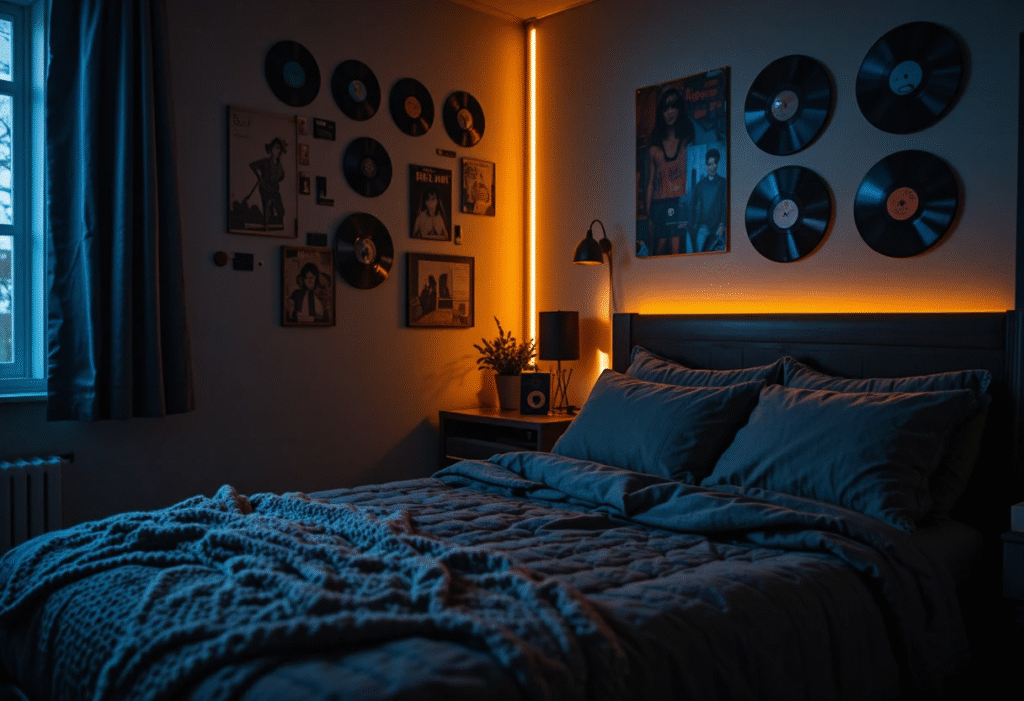

The Dark Academia Living Room is more than an interior design choice; it is a meticulously crafted philosophy. It is a space that rejects the fleeting trends of minimalism and digital aesthetics, dedicating itself instead to the permanence of classical learning, the romance of history, and the profound comfort of a well-used sanctuary. This style transforms a common space into a private, moody, sophisticated salon designed for reading, intellectual debate, and focused contemplation.
Drawing inspiration from the historic libraries of Oxford and Cambridge, the old estates of New England scholars, and the filmic quality of classic literary adaptations, this aesthetic requires a layered, deliberate approach. The resulting Dark Academia Living Room is one that feels inherited, storied, and profoundly comfortable—a truly immersive haven for the intellectual soul.
This comprehensive guide dissects every element required, from choosing the definitive dark academia living room color palette to sourcing authentic vintage living room furniture for dark academia, ensuring your space achieves unparalleled depth, elegance, and scholarly authenticity.
The Philosophical Foundation – Mood, Color, and Light
The success of the Dark Academia Living Room hinges on establishing an atmosphere that is intentionally moody, intimate, and introspective. This requires precise control over color, texture, and light sources.
1. Defining the Dark Academia Living Room Color Palette
The palette must be deep, rich, and heavily saturated, directly referencing the environment of classical antiquity and aged materials. The colors serve to absorb light, creating the hallmark shadows of the aesthetic.
The Dominant Hues (90% of the Canvas)
The majority of the wall space and large furniture must carry these saturated colors to establish the mood:
-
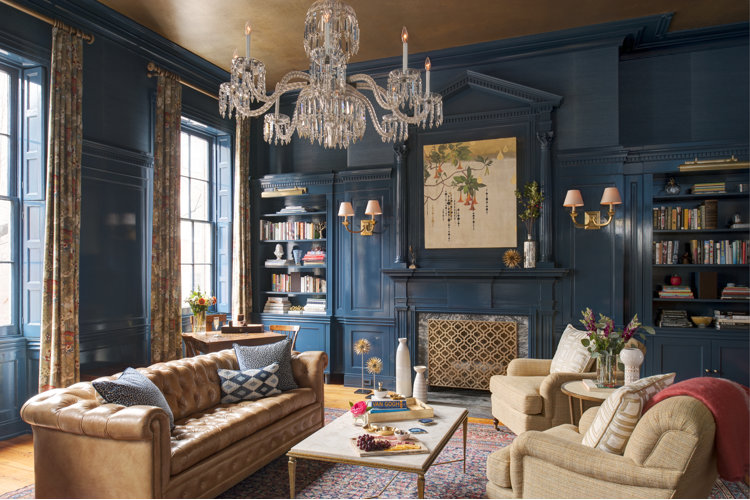
Deep Greens (Forest, Hunter, Emerald): These are fundamental. Green symbolizes nature, permanence, and historical wealth. Use these tones liberally on walls, large velvet upholstery pieces, or as the dominant color in a large area rug. A deep forest green provides a sense of enclosure and tranquility, ideal for concentration.
-
Oxblood, Burgundy, and Deep Mahogany Red: These colors introduce necessary warmth, passion, and visual excitement, recalling the color of antique leather bindings and aged wine. They are perfect for leather seating, small velvet accent pillows, or the complex patterning in Oriental rugs.
-
Deep Blues and Navy: Often used as an alternative or complement to green, deep navy evokes the twilight sky and naval uniforms, injecting a subtle, disciplined severity into the room.
-
The Wood Tones (Walnut, Mahogany, Dark Cherry): These are non-negotiable. The room must be anchored by heavy, dark wood furniture. The wood should have a deep, rich stain that shows natural age and polish, contrasting beautifully with the soft fabrics.
The Secondary Hues and Muted Neutrals
These lighter colors serve as necessary visual breaks and should be used sparingly:
-
Sepia, Aged Ivory, and Taupe: These muted neutrals appear on ceilings, window trim, lampshades, and the inner layer of sheer curtains. They prevent the room from becoming visually exhausting by providing an area of reflected light and rest. Avoid stark white, which reads as too modern and sterile.
-
The Metallic Accent (Aged Brass and Bronze): Metals must be used for sparkle and definition. Aged brass or bronze are mandatory—their dull, matte patina conveys history and quality. They should appear only on picture frames, lighting fixtures, fireplace tools, and decorative trays. Avoid all shiny chrome, nickel, or silver finishes.
2. Mastering the Mood: Light Control and Shadows
The atmosphere is defined by shadows and pools of warm light—a sharp rejection of bright, uniform modern illumination.
-
Filtered Natural Light is Key: Use heavy, floor-length curtains (velvet, tweed, or thick linen) in dark tones. The curtains’ primary function is not to block light entirely, but to filter and diffuse harsh sunlight, creating the characteristic moody, half-lit atmosphere of old libraries and studies. The shadows themselves become a visual design element.
-
The Three-Layer Lighting Rule: Light must be deliberately layered from multiple sources, all using warm-toned bulbs (2700K).
-
Ambient Lighting: Provided by floor lamps and table lamps with warm bulbs and dark, opaque shades. This establishes the overall moody tone of the room.
-
Task Lighting: Focused, directed light for reading or writing, often supplied by a classic banker’s lamp on a side table or an adjustable arc lamp positioned over a reading chair.
-
Accent Lighting: Small, focused lights used to highlight collected artifacts, framed art (picture lights), or the spines of books within shelving units. This draws the eye to the intellectual heart of the room.
-
3. Textures: The Tactile and Auditory Experience
The Dark Academia Living Room engages the sense of touch and sound. The use of heavy, natural fibers is critical for acoustic dampening.
-
Velvet (The Luxurious Softness): Essential for the sofa, deep accent pillows, or heavy curtains. Velvet’s dense pile absorbs light dramatically, showcasing the rich color.
-
Leather (The Durable Contrast): Provides a cool, durable, and masculine contrast to the soft velvet and wool. Used for seating (club chairs, sofa accents) and small utilitarian details. The leather should be aged and distressed for authenticity.
-
Wool and Tweed (The Natural Roughness): Used in rugs, throw blankets, and tailored pillow covers. These provide rough, natural texture, recalling vintage academic apparel and dampening room echoes.
-
Natural Materials: Ensure the presence of materials like thick cotton canvas, sisal (for baskets), stone (for tabletops), and heavy glass (for decanters) to complete the tactile profile.
Furniture Selection – Vintage Living Room Furniture for Dark Academia
The furniture selection dictates the room’s formality, comfort, and historical authenticity. Every piece must look substantial, collected, and ready to withstand generations of intellectual use.
4. Seating: The Core of the Scholarly Salon
Seating must be deep, comfortable, and tailored, encouraging hours of immersive reading and intellectual discussion.
The Anchor Sofa (Velvet, Leather, and Tufting)
-
Style: Choose classic, heavy styles that project permanence, such as the Chesterfield sofa (essential for its deep button tufting and rolled arms), or the tailored English roll-arm style.
-
Material: The dominant material should be a rich, dark velvet (forest green, deep burgundy) or a high-quality, aged leather. The visual complexity of tufting or channel stitching adds vital historical texture.
-
Scale and Placement: The sofa should be the largest piece, strategically defining the primary conversation area. Due to the dark colors, ensure the room can handle the visual weight of the large piece.
Club Chairs and Accent Seating (Creating the Conversation Circle)
-
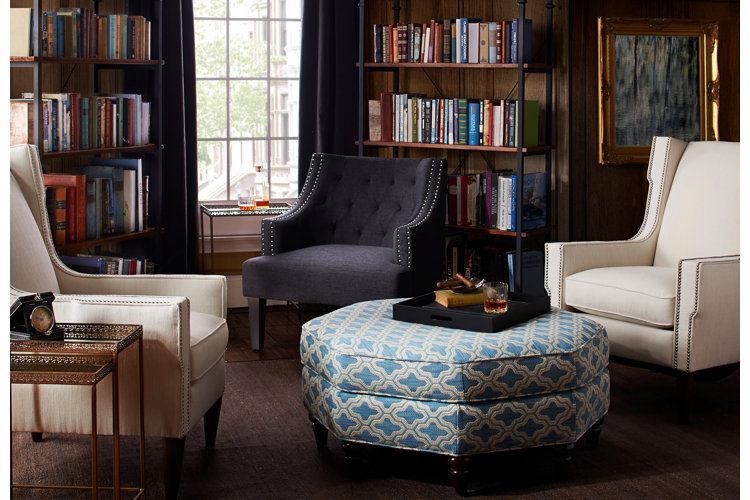
The Leather Club Chair: A vital piece for textural contrast. Opt for one or two deep leather club chairs with generous arms. Place these perpendicular to the sofa to create a defined, intimate conversation or reading circle. The coolness of the leather contrasts the softness of the velvet sofa beautifully.
-
The Slipper or Accent Chair: A smaller, armless chair can be upholstered in a patterned fabric (tartan, botanical print) to inject a secondary textile without overwhelming the space. Use these to fill awkward corners or serve as extra seating.
-
Footstools and Poufs: Use upholstered footstools in tweed or leather to encourage lounging and comfort during reading sessions.
5. Tables and Storage: Function, History, and Display
Tables must be robust and visually heavy, serving as essential platforms for books, lamps, and artifacts. Avoid fragile, modern, or lightweight designs.
-
The Coffee Table: This piece should be substantial. Ideal choices include a large, dark-stained wooden trunk (serving dual purpose as storage), a heavy pedestal table, or a table featuring a dark marble or stone top. The table must look like it could withstand a lifetime of scholarly materials.
-
Side Tables: Avoid chrome or glass. Opt for heavy, dark wood pedestal tables, small antique commodes, or even stacked, leather-bound trunks. They must be sturdy enough to hold a heavy lamp and a tall stack of intellectual literature.
-
The Bookshelves: These are the living room’s central focus and are non-negotiable. They must dominate one or two walls. The ideal bookshelf is floor-to-ceiling, made of dark, substantial wood (walnut or mahogany), and designed to look built-in, even if they are modular pieces grouped together. Open shelving is crucial for showcasing the intellectual collection.

Layering and Organization Hacks (Complexity Without Clutter)
The Dark Academia Living Room look is inherently maximalist, but it is defined by complexity, not chaos. The layering of objects, textiles, and art must be deliberate and intentional—the key to how to arrange a scholarly living room.
6. The Rug: Grounding the Space and Setting the Theme
The rug is the largest textile element, visually anchoring the entire furniture grouping and defining the intellectual zone.
-
The Authentic Pattern: The Antique Persian or Oriental Rug is essential. Their deep, intricate patterns (featuring faded reds, navy, burgundy, and gold accents) immediately evoke the look of a historic study. The rug should look aged or distressed, as an overly bright, modern rug will break the illusion.
-
Sizing and Placement: The rug must be large enough to hold at least the front two legs of the sofa and all the reading chairs. This visually unifies the seating arrangement.
-
Layering Technique: This is an advanced styling hack. Layer a smaller, plain, high-texture rug (like a heavy wool or tweed solid-color rug or a sheepskin/faux fur) over a corner of the larger Oriental rug. This contrast in texture adds immense visual depth and comfort.
7. Styling the Bookshelves (The Intellectual Heart of the Room)
The bookshelves are the narrative focus of the living room and must look like an active, lived-in collection.
-
The Cluttered Scholar Look: Reject contemporary styling rules (like organizing by color or leaving large empty spaces). Instead, mix orientations: stack some books horizontally (using them as small pedestals for artifacts), and stand others vertically. The shelves should look full.
-
Artifact Integration: Integrate objects that reflect intellectual pursuit, history, and travel: small busts (of philosophers or historical figures), antique magnifying glasses, heavy brass clocks, small globes, terracotta vases, wax seals, framed botanical prints, or geological specimens.
-
Book Selection: Focus on older, leather- or cloth-bound books. Their varied textures and aged spines are the primary source of color and texture. Dust jackets should be removed to expose the binding and the color of the spine.
8. The Art of the Curated Wall (Richness and Narrative)
Walls should feel rich and textured, decorated with classical and historical references, not stark or empty.
-
Art Style: Choose pieces that convey depth and history: Dark landscape oil paintings, traditional portraits, anatomical studies, detailed botanical illustrations, or antique maps. Avoid bright colors and modern abstract art.
-
Framing is Key: Every piece of art requires a heavy, elaborate, aged gold or dark wood frame. The frame itself should look like a piece of valuable sculpture, not just a border.
-
Gallery Wall Hack: Create a dense gallery wall that fills the wall space above the sofa or fireplace. Use mixed frame styles but keep the colors consistent (dark wood, dark gold) and group art tightly to maximize visual impact.
-
Shadow Boxes: Use small shadow boxes to display collections of small artifacts, such as antique keys, dried leaves, or geological specimens, treating them like three-dimensional works of art.
Budget and Practical Application Hacks (Achieving Authenticity Affordably)
The illusion of history and expense can be achieved without inheriting a manor or spending a fortune. This section details affordable sourcing and clever DIY transformations.
9. Budget Dark Academia Living Room Ideas (Thrifting and DIY)
The aesthetic is uniquely suited to thrift stores and DIY projects because it values age, patina, and imperfection.
The Furniture Transformation Hack
-
The Power of Upholstery: A cheap, but structurally sound sofa or set of chairs can be completely transformed with a high-quality slipcover made of dark velvet or tweed fabric, or by focusing your reupholstery budget on just a set of key accent chairs instead of the full sofa.
-
Stain and Varnish: Use gel stain or dark wood varnish on inexpensive, light-toned furniture (bookcases, side tables, coffee tables). This instantly transforms modern pine or light oak into the deep, rich mahogany or walnut required for the aesthetic’s foundation.
-
DIY Tufting: Add simple buttons and thread to the back cushions of a plain sofa to create the tufted look of a Chesterfield without buying a new sofa.
The Lighting and Accent Hack
-
DIY Patina: Buy inexpensive metal lamps or frames and treat them with a chemical patina kit or use a matte bronze/gold spray paint, lightly sanding the edges for an aged, antique finish. This turns basic, modern pieces into unique, scholarly artifacts.
-
Faux Books: Use decorative storage boxes designed to look like a stack of antique books to fill gaps on high shelves. This is a budget-friendly way to add the visual bulk of a large library.
10. Tech and Modern Integration (The Concealment Strategy)
The Dark Academia Living Room should feel like it predates the digital age, requiring conscious effort to hide modern technology.
-
Television Concealment: The television is the biggest visual challenge. Mount the screen and surround it with a large, heavy wood frame to make it resemble a piece of art. Use a screen saver that displays a classic painting, map, or fireplace scene when the TV is off. Alternatively, hide the TV inside a tall, antique armoire or cabinet that can be closed.
-
Cable Management is Crucial: Use cable management trays, sleeves, and clips to ensure all wires are completely invisible. Exposed modern wires are the single quickest way to ruin the antique illusion.
-
Music Integration: Use a high-quality Bluetooth speaker hidden inside an antique radio casing, or prominently display a classic turntable and vinyl collection, which perfectly fits the tactile, analog vibe.
Advanced Details and The Scholar’s Sensory Experience
The final layer ensures the room is complete—touch, smell, and sound must align with the visual aesthetic, making the room truly immersive and psychologically supportive of intellectual life.
11. The Scholar’s Sensory Environment
The room should actively smell and sound like a well-kept, historic library to fully engage the subconscious mind.
-
Scent Profile is Mandatory: Scent is crucial for creating the atmosphere. Use diffusers or high-quality candles with notes that evoke the past: leather, parchment, tobacco, pipe smoke, old wood, or cedar. This olfactory profile is essential for completing the illusion of an old-world study.
-
Acoustic Softening: The heavy textiles (velvet curtains, thick wool rugs, upholstered furniture) are critical because they absorb sound and dampen echo. This acoustically “softens” the room, making it feel protected, quiet, and conducive to reading aloud or focused conversation.
-
The Sound of History: Play ambient classical music (Baroque, Romantic era), jazz, or lo-fi study mixes that often incorporate the soft, historical sounds of a crackling fireplace or gentle rain.
12. The Functional Details of Intellectual Life
Every item in the room should be both beautiful and useful within a scholarly context.
-
Reading Accessories: Keep a large, stylish magnifying glass (brass handle), a decorative letter opener, and small brass bookends visible on the coffee table. These items serve as beautiful sculptures while reflecting the academic theme.
-
The Writing Nook: Dedicate a small area with a comfortable armchair, a small side table, and a leather-bound journal with a fountain pen. This encourages unplugged, analog reflection and creative thought.
-
Drinks Service: A dark wood or aged brass bar cart adds a touch of classic sophistication. Display antique glass decanters, dark liquor bottles, and a vintage cocktail book.
13. Final Organization: The Lived-In Look
The Dark Academia Living Room is maximalist, not minimalist. It should look like a scholar is currently using it—a purposeful, intentional clutter.
-
Stacking Books: Keep casual stacks of books (current reads, academic journals) on the floor next to the reading chairs, on the coffee table, and on side tables. This is intentional clutter that reinforces the “in-use” intellectual theme.
-
Personal Ephemera: Frame and display old handwritten letters, calligraphy, antique postcards from historic cities, or personal sketches. This personalization makes the “history” feel like your own history.
-
Maintenance for Patina: Avoid rigorous, sterile cleaning. The aesthetic thrives on a slightly worn, polished look. Dust, but embrace the subtle patina, soft wrinkles, and shine on the leather and wood.
Conclusion: A Timeless Intellectual Haven
The Dark Academia Living Room is a commitment to depth, quality, and contemplation. It is a rebellion against the fleeting and the sterile, offering instead a sanctuary that feels inherited, storied, and profoundly comfortable.
By adhering to the principles of a rich dark academia living room color palette, investing in the tactile quality of vintage living room furniture for dark academia (velvet, leather, and dark wood), and thoughtfully layering every detail from the rugs to the scent, you create more than just a decorative space.
You forge a timeless intellectual haven—a place where the whispers of history mingle with the pages of a good book, and where every corner invites conversation and profound thought. This is the ultimate environment for a life dedicated to learning and elegant living.