Decorating a small apartment or condo presents a unique challenge: every single decor decision impacts the perceived size of the room. A rug that is too small looks like a floating postage stamp, while one that is too busy can feel overwhelming. get here all the information about Best Rugs for Small Spaces
Finding the Best Rugs for Small Spaces means embracing strategic sizing, light colors, and clever placement hacks. Follow these seven essential tips to maximize your style and comfort without visually shrinking your precious square footage.
1. Adopt the “Front Legs On” Sizing Rule
The biggest mistake in small spaces is buying a rug that is two sizes too small.
-
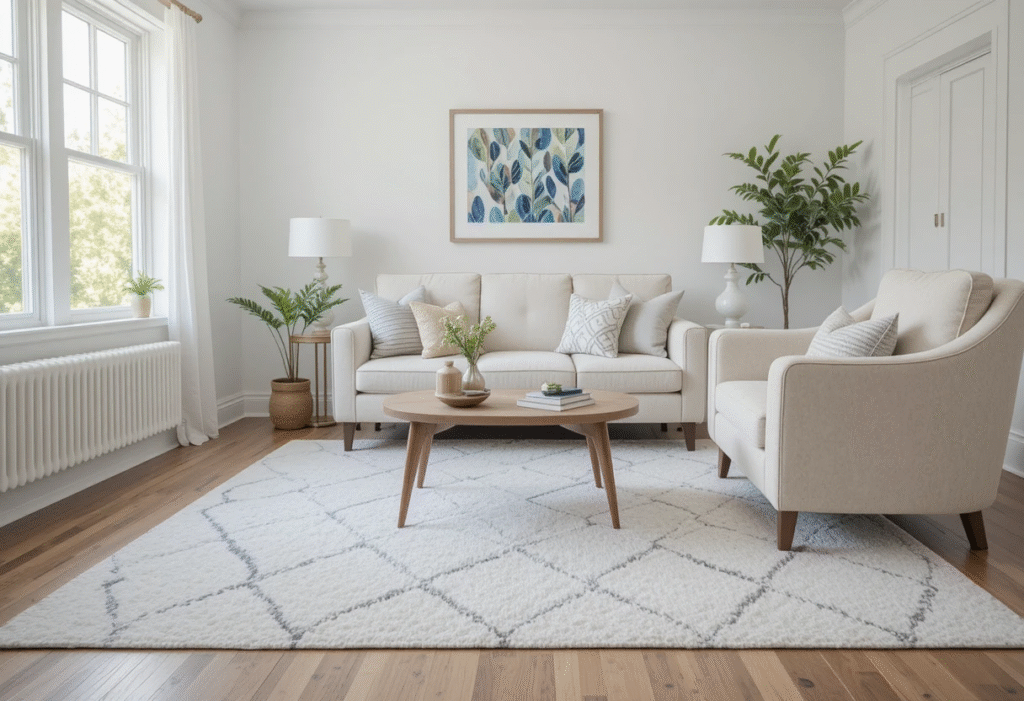
The Rule: The rug must be large enough to extend under at least the front two legs of your sofa and any main accent chairs.
-
The Transformation: This technique anchors the main seating area. It connects the furniture, making the entire living zone feel deliberate, larger, and professionally grounded.
2. Choose Light, Neutral Colors
Dark colors absorb light. Light colors reflect it. This principle is vital for making small rooms look expansive.
-
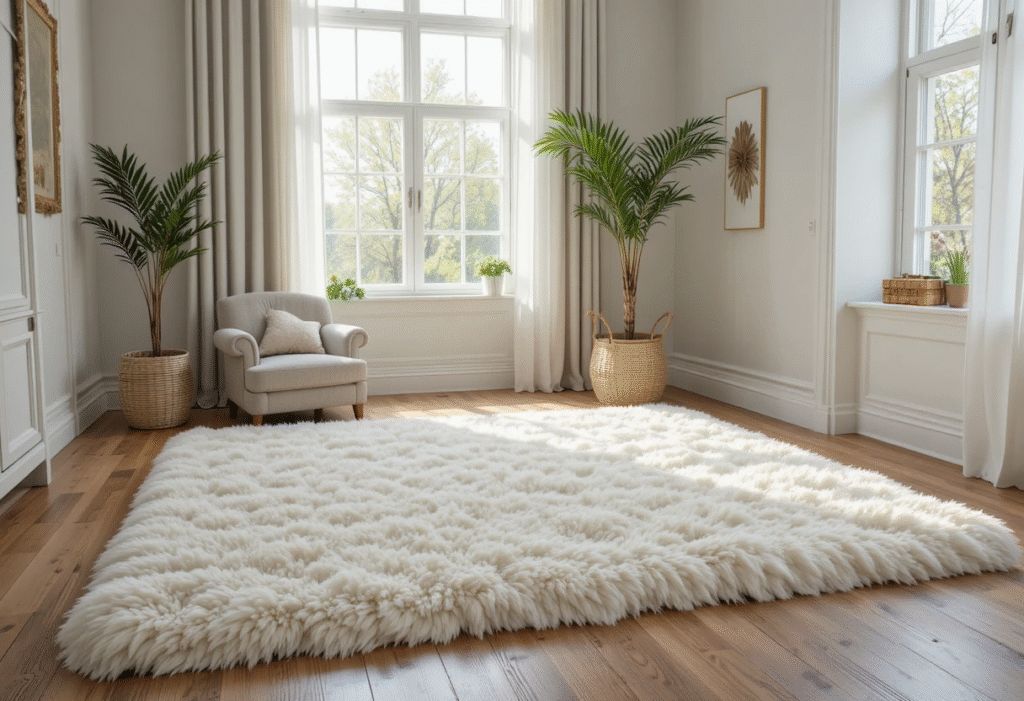
The Palette: Stick to cream, off-white, soft beige, light gray, or ivory.
-
The Benefit: Light rugs reflect natural and artificial light, immediately making the floor space feel larger and more open. This creates a clean, airy foundation.
3. Embrace Natural Fibers for Texture
Natural materials add dimension without introducing overwhelming visual clutter.
-
The Material: Jute, sisal, or thin wool blends are excellent choices. They are durable and inherently textured.
-
The Aesthetic: Natural fibers bring an organic, cozy feel. They provide visual interest through texture rather than busy patterns, keeping the overall look calm and sophisticated.
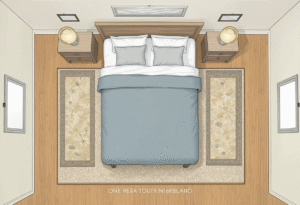
4. Use Runners for Bedroom Comfort
A large rug can be too expensive or too dominating for a tiny bedroom.
-
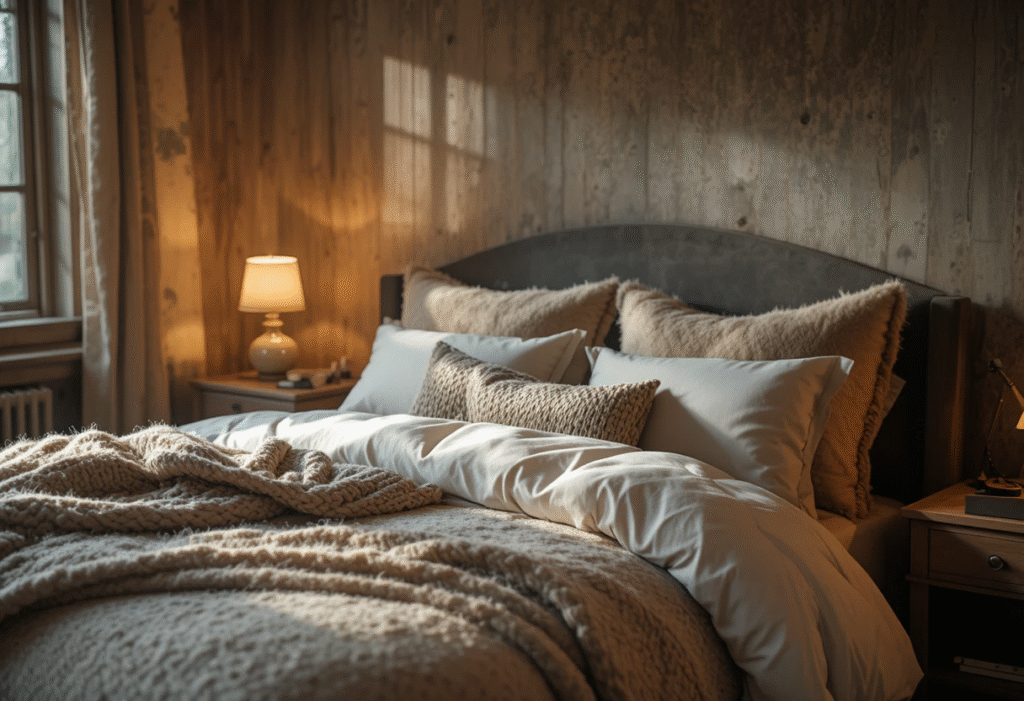
The Hack: Instead of one large area rug, place two narrow runner rugs—one on each side of the bed.
-
The Function: This ensures you have soft, warm texture underfoot exactly where you need it (when getting out of bed), while leaving more bare floor visible, which helps the room feel larger.
5. Select Simple, Large-Scale Patterns
Busy, small patterns can make a tight space feel frenetic and cluttered.
-
The Rule: If you want a pattern, choose one with a simple, large scale (e.g., a few large, defined geometric diamonds or wide stripes).
-
The Contrast: Large, simple patterns anchor the space without causing visual chaos. This makes the rug a focal point, rather than a distraction.
6. Utilize Round Rugs for Small Corners
Straight lines emphasize the squareness of a small room. Round shapes offer relief.
-
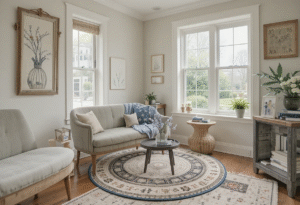
The Hack: Place a round area rug in a small reading nook, an entryway, or underneath a small circular coffee table.
-
The Effect: The soft curves break up the harsh rectangular edges of the furniture and the room. This makes the space feel more organic, balanced, and inviting.
7. Maximize Entryways with Runners
Entryways are often narrow and can quickly become high-clutter areas.
-
The Hack: Use a long runner in the entry that extends most of the length of the space.
-
The Benefit: Runners define the entryway zone, reduce tracked-in dirt, and visually lengthen the hallway, which can often feel cramped.
Final Thoughts: Intentional Scale
The Best Rugs for Small Spaces are chosen with intentionality. They prioritize light colors and simple textures to expand the room visually. By strictly following the “front legs on” rule and utilizing clever runner and round shape hacks, you can ensure your rug acts as a powerful anchor, adding style and comfort without ever compromising your space.