
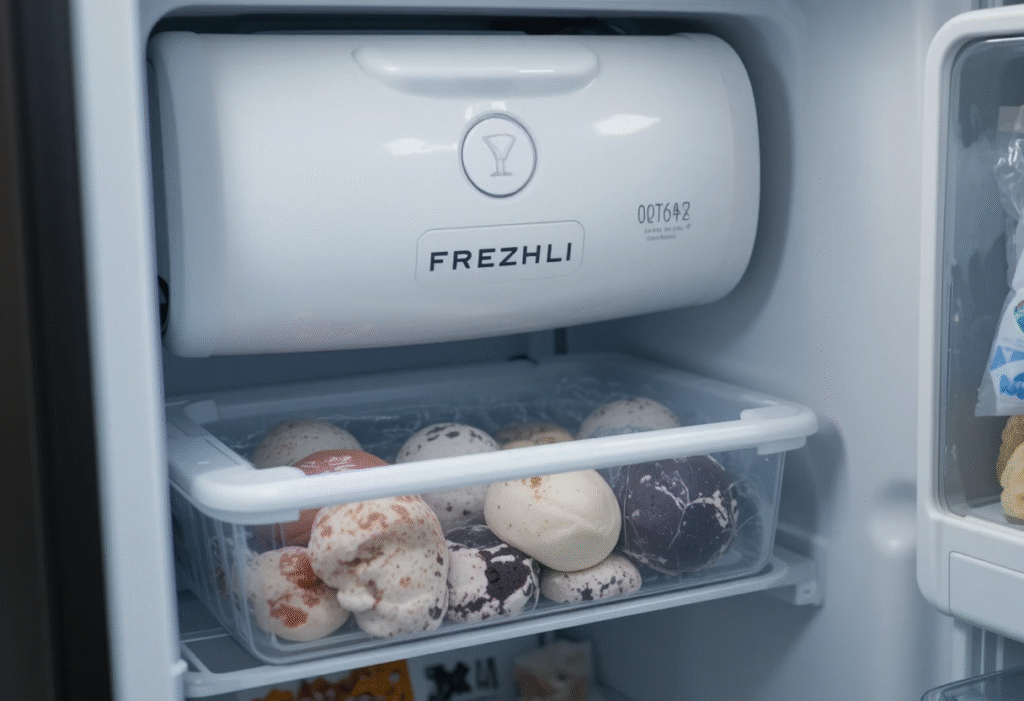
Guide to the Mini Fridge for Dorm Room
A Mini Fridge for Dorm Room Use is truly essential. It is not a luxury item.
It provides immediate, critical convenience. It saves precious study time. Furthermore, it saves money on food costs. Students can store quick meals. They keep vital snacks cool and nearby.
However, selecting a mini fridge is complex. Installation requires strict planning. You must navigate rigid electrical limits. You must also maximize minimal space.
This comprehensive guide is your resource. We cover every essential detail. We will help you select the best mini fridge for dorms 2025. We ensure full university compliance. Finally, we show you efficient organization strategies.

Compliance and Safety – The Absolute Non-Negotiables
You must check all housing rules first. University housing has strict regulations. Ignoring these rules causes big problems. It can lead to confiscation. It might also mean administrative fines.
1. Navigating the Mini Fridge Wattage Limit for College Dorms
Electrical capacity is the main limit. Dormitories often have older wiring. Therefore, strict power limits are common.
-
Check University Policy: Always consult the housing manual. Crucially, schools mandate a maximum size. This maximum is usually 3.5 to 4.5 cubic feet.
-
The Wattage Restriction: Most schools impose a strict mini fridge wattage limit for college dorms. This limit is often 1.5 to 2.0 amps. This equals about 150 to 200 running watts.
-
Why Wattage Matters: High wattage appliances overload circuits. The compressor draws a lot of power when starting. This affects the entire floor’s power supply.
-
The Energy Star Advantage: Look for the Energy Star label. These units are more efficient. They consume less power while running. This is a smart choice for compliance.
2. Safety and Placement Protocols
Safety is your top priority. Proper placement prevents fire hazards. It also promotes efficiency.
-
Surge Protection is Key: Never plug the fridge directly into the wall. Instead, use a high-quality, UL-rated surge protector. This protects the unit from sudden power spikes. The compressor causes these spikes.
-
Ventilation Space is Mandatory: The unit needs to breathe freely. Therefore, leave at least three inches of open space. This space must be around the back and sides. Trapped heat forces the compressor to work harder. Working harder uses more electricity.
-
Avoid Extension Cords: Never use residential extension cords. These cords cannot handle the high power draw. This creates a serious fire risk. Use a heavy-duty surge protector instead.
Selection – Choosing the Best Mini Fridge for Dorms 2025
The best choice balances three things. These are size, features, and freezer capacity. These must fit college life needs.
3. Size and Capacity Analysis
The most popular sizes are functional for small spaces.
-
The Cube Fridge (1.7 to 2.0 Cubic Feet): This is the smallest option. Consequently, it fits tiny rooms well. It is only for beverages and light leftovers. It can easily sit on a desk.
-
The Standard Dorm Size (3.2 Cubic Feet): This is the gold standard. Because of its dimensions, it balances capacity and footprint best. It fits well beneath a standard dorm desk.
-
The Large Dorm Size (4.5 Cubic Feet): This is often the maximum size allowed. Naturally, it is best for two roommates sharing. It holds full meal prep ingredients.
4. Freezer Compartment Strategy
The freezer’s quality defines its usefulness.
-
Internal vs. Separate Door: This is a key distinction. The internal freezer (a small box inside) frosts over quickly. Conversely, a model with a separate freezer door offers better control. It also stores food more reliably.
-
Two Door Mini Fridge vs Cube Fridge for College: For shared use, the two door mini fridge is superior. It prevents freezer burn. It maintains a stable temperature. However, the cube fridge often lacks a useful freezer section.
5. Essential Feature Checklist (Maximizing Utility)
Look for features that enhance small-space living.
-
Can Dispensers: These racks use vertical door space well. They store soda or energy drinks efficiently.
-
Reversible Door Hinges: This feature is critical for small rooms. It lets you change which way the door opens. Therefore, you can optimize placement immediately.
-
Adjustable Shelving: This allows full customization of the interior. For example, you can adjust shelves for tall milk cartons or pitchers.
-
Interior LED Lighting: A small, internal LED light is surprisingly useful. It makes contents visible easily. This prevents turning on the harsh main room light.
Placement and Integration – Mini Fridge Placement Ideas for Small Dorms
Strategic placement is vital. It maximizes surrounding space. It maintains easy access.
6. Smart Placement Hacks
Use all available vertical space. Focus on areas near the bed and desk.
-
Under the Desk: This is the most common hack. However, ensure the desk is high enough. You need the 3-inch ventilation gap.
-
The Lofted Bed Base: Place the fridge beneath a raised bed. Furthermore, pair it with a shelf unit. This creates a unified “kitchenette” zone.
-
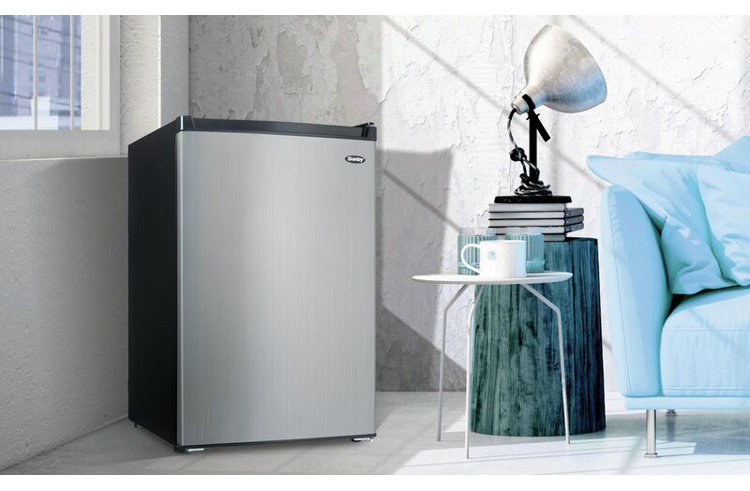
The End Table Substitute: Use the top of a low-profile mini fridge as a nightstand. Always use a coaster. This prevents condensation damage.
-
Closet Integration: If allowed, place a cube fridge inside a large closet shelf. This hides it completely. Be sure to leave the closet door slightly ajar for ventilation.
7. Concealment and Aesthetic Integration
The mini fridge is a large appliance. It can clash with room décor.
-
The Bed Skirt Hack: Place the fridge under the bed frame. Then, use a decorative bed skirt that reaches the floor. This visually conceals the unit entirely.
-
Decal or Wrap: Use removable vinyl decals or contact paper. For instance, wrap the fridge in a solid color. This matches the room’s theme.
-
The Side Panel: Position the fridge so the least attractive side faces the wall. Use the visible side for magnets or notes.
Organization and Maintenance – How to Organize a Mini Fridge in a Dorm
A small fridge demands disciplined organization. This prevents odors and maximizes limited space.
8. The Vertical Organization Strategy
Use the fridge’s limited height and door space efficiently.
-
Clear Storage Bins: Use clear, stackable plastic bins. Place them on the shelves to organize produce and snacks. This prevents items from getting lost in the back.
-
Door Shelves Optimization: Use door shelves for beverages. Also use them for frequently accessed condiments. But be careful not to overload the door.
-
Small Freezer Bins: If you have a separate freezer, use small, stackable containers. These are perfect for ice cubes or single-serving frozen meals.
9. Food Safety and Maintenance Protocols
Maintenance is critical due to the small size.
-
The Defrost Ritual: Internal freezers require manual defrosting. Unplug the unit before leaving for any long break. Leave the door open with towels underneath. This catches the melting ice.
-
Odor Control is Essential: Place an open box of baking soda inside. Furthermore, immediately wipe up all spills. This prevents strong, lingering odors.

Advanced Considerations and Longevity
This section covers long-term use and shared living.
10. Roommate Sharing Protocols
If sharing, establish clear rules immediately.
-
Designated Zones: Assign specific shelves to each person. This prevents conflict over space and supplies.
-
Labeling: Encourage labeling all personal food items. This is especially important for leftovers or expensive ingredients.
-
Shared Costs: Clearly define how electricity costs (if separate) or the unit’s purchase price will be split.
11. Longevity and End-of-Year Hacks
-
Cleaning for Storage: Before moving out, unplug and defrost completely. Ensure the interior is completely dry. Prop the door open during storage. This prevents mildew.
-
Selling/Donating: Mini fridges are always in demand. Consider selling it to an incoming student. This is convenient for everyone.
Material Science and Alternative Cooling
Understanding the basic function helps with troubleshooting and purchasing.
12. The Physics of the Compressor
Most mini fridges use compressor technology.
-
Compressor Function: This unit pressurizes refrigerant gas. This gas circulates through coils. The process removes heat from the interior.
-
Noise and Heat: Compressor fridges are efficient. However, they produce some noise when cycling. They also release heat from the back coils. This is why ventilation is crucial.
13. Thermoelectric Alternatives (The Peltier Effect)
Some very small cube units use thermoelectric cooling.
-
Peltier Effect: This system uses electricity across two different materials. It creates a temperature difference. Essentially, one side gets cold while the other gets hot.
-
Drawbacks: Thermoelectric units are very quiet. But, they are less efficient than compressor units. They also struggle to cool items below $45^{\circ} \text{F}$ in hot rooms. They are not recommended for storing perishable food safely.
Troubleshooting and Common Dorm Issues
Be prepared for common operational problems in a dorm setting.
14. Frost Buildup (The Iceberg Problem)
Frost reduces efficiency and consumes space.
-
Cause: Frequent opening of the door allows humid air in. This air freezes on the cold plate.
-
Solution: Defrost regularly. Also, check the door gasket seal frequently. A loose seal lets warm air in constantly.
15. The Gasket Check (Maintaining the Seal)
The rubber gasket around the door is vital.
-
Test: Place a dollar bill halfway in the door and close it. If the bill pulls out easily, the seal is weak.
-
Fix: Clean the gasket thoroughly with soap and water. Dirt often compromises the seal.
16. Placement Warnings (Areas to Avoid)
Avoid placing the unit in these risky spots.
-
Next to the Heater: Heat forces the compressor to work continuously. This risks damage and violates most rules.
-
Under Direct Sunlight: Direct sun exposure heats the exterior. This drastically increases power consumption.
-
Near Electronics: The magnetic field and heat from the fridge can interfere with sensitive electronics.
Final Checklist for Dorm Move-In
Follow this list for a smooth setup.
-
Read Rules: Confirm size and wattage limits first.
-
Purchase: Buy an Energy Star rated, 3.2 cubic foot unit with a separate freezer door.
-
Secure: Purchase a high-quality surge protector.
-
Set Up: Place the unit on a hard, level surface. Ensure three inches of ventilation space.
-
Wait: Plug the unit in, but wait several hours before putting food inside. This allows the temperature to stabilize.