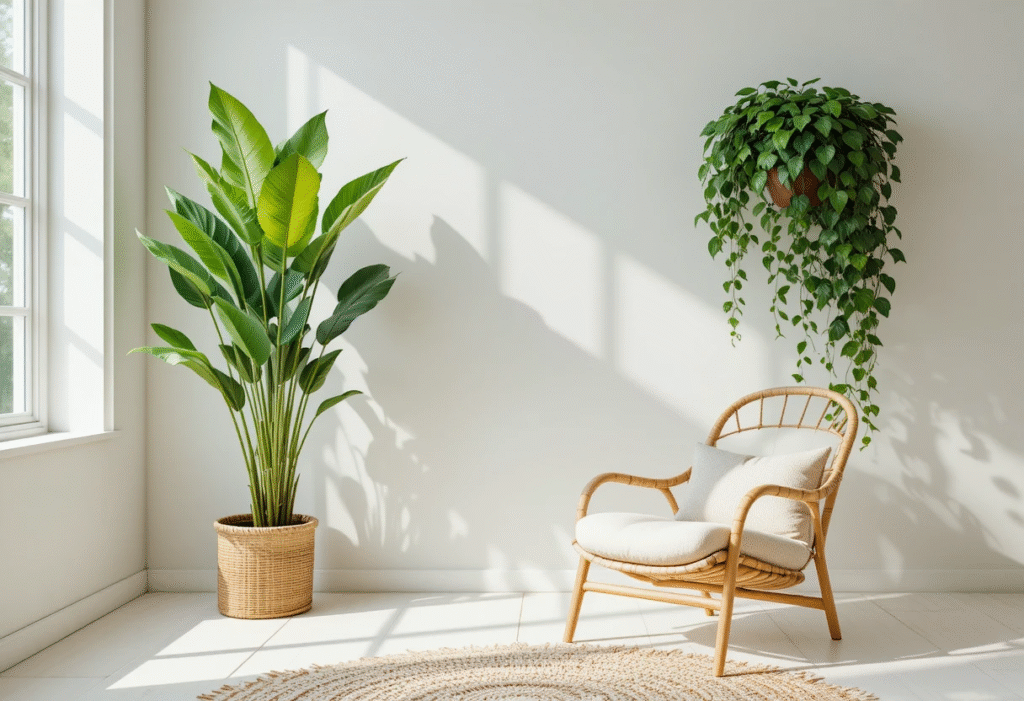

In an increasingly digitized, fast-paced world, our homes have become sanctuaries. But simply being indoors isn’t enough; humans are wired for nature. The concept of biophilic design taps into this inherent connection, asserting that integrating natural elements into our built environments fundamentally improves our well-being.
The term “biophilia,” coined by biologist E.O. Wilson, translates to “love of life.” Biophilic design is not just about placing a potted plant in the corner; it’s a design philosophy that strategically weaves nature’s patterns, materials, and rhythms into your living space to enhance mental clarity, reduce stress, and elevate your overall style.
Here’s how you can embrace the principles of biophilic design to create a home that feels restorative and vibrant.
Principle 1: Direct Connection to Nature (The Greenery)
The most obvious, and often easiest, entry point into biophilic design is through plants.
Plants as Living Decor
Plants are more than just accessories; they are proven mood boosters. Studies show that the presence of greenery can lower cortisol (stress hormone) levels and improve concentration.
- Groupings: Instead of scattering single plants, group them in clusters of odd numbers (3, 5, 7) near windows. This mimics the density found in natural landscapes, enhancing the effect of biophilic design.
- Vertical Gardens: Utilize wall space with shelves or hooks for hanging plants (like Pothos or trailing ferns). This uses verticality, a key element of the aesthetic, while taking up zero floor space.
- Aesthetic & Air-Purifying: Choose species known for both looks and health benefits, such as the sculptural Snake Plant (which releases oxygen at night) for the bedroom or a classic Fiddle-Leaf Fig for the living room.
Principle 2: Natural Analogues (Material & Texture)
Biophilic design encourages incorporating indirect elements of nature the materials, colors, and textures we associate with the natural world.
| Element | Biophilic Application | Style Impact |
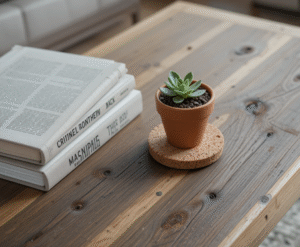
| Materials | Use natural, porous, and tactile finishes like unfinished or reclaimed wood, stone, marble, and cork. | Adds warmth and authenticity that synthetic materials lack. |
| Textiles | Choose organic fabrics like linen, jute, wool, and cotton. | Creates softness and textural richness; they feel better on the skin. |
| Color Palette | Draw from earth, sea, and sky: sage green, terracotta, soft blue, slate grey, and warm neutrals. | Creates a calming, grounded psychological effect, reducing visual noise. |
| Forms & Shapes | Opt for furniture with curved, rounded edges and organic shapes (e.g., wavy mirrors, round dining tables) over sharp corners. | Mimics the non-linear perfection of nature, offering a soothing visual break. |
Principle 3: Light and Space (Maximizing Natural Flow)
In biophilic design, light is a tool. Maximizing natural light exposure is crucial for regulating your circadian rhythm, which directly affects energy levels and sleep quality.
- Filter, Don’t Block: Swap heavy curtains for sheer linen or cotton shades. These filter the light, creating dynamic patterns of light and shadow that change throughout the day a highly prized feature in biophilic design.
- Mirror Magic: Strategically place mirrors opposite windows to reflect the natural light and any outside views, visually extending your space and boosting the sense of openness.
- Ambient Glow: Rely on multiple, layered light sources (floor lamps, table lamps, sconces) with warm-toned bulbs to mimic the warm glow of natural light in the evenings, supporting rest and relaxation.
Conclusion: The Wellness Impact of Biophilic Design
Biophilia isn’t a temporary trend; it’s a timeless approach to interior wellness. By making intentional choices from the potted herb garden on your kitchen sill to the stone coasters on your coffee table you are actively fostering an environment that is scientifically proven to reduce stress, improve mood, and enhance creativity.
Embracing biophilic design means designing a home that not only looks good but makes you feel fundamentally better every time you walk through the door.